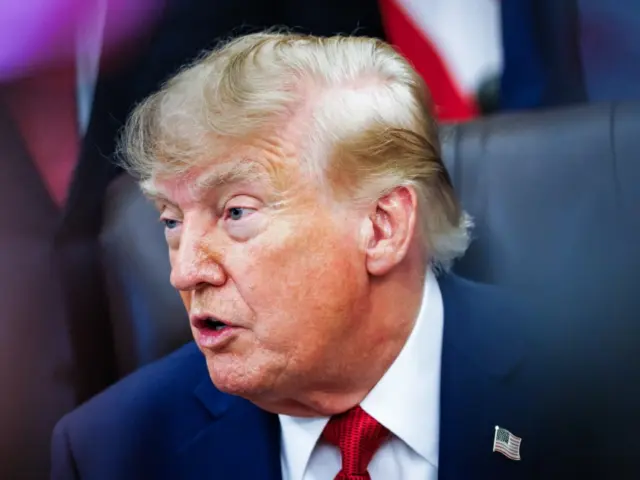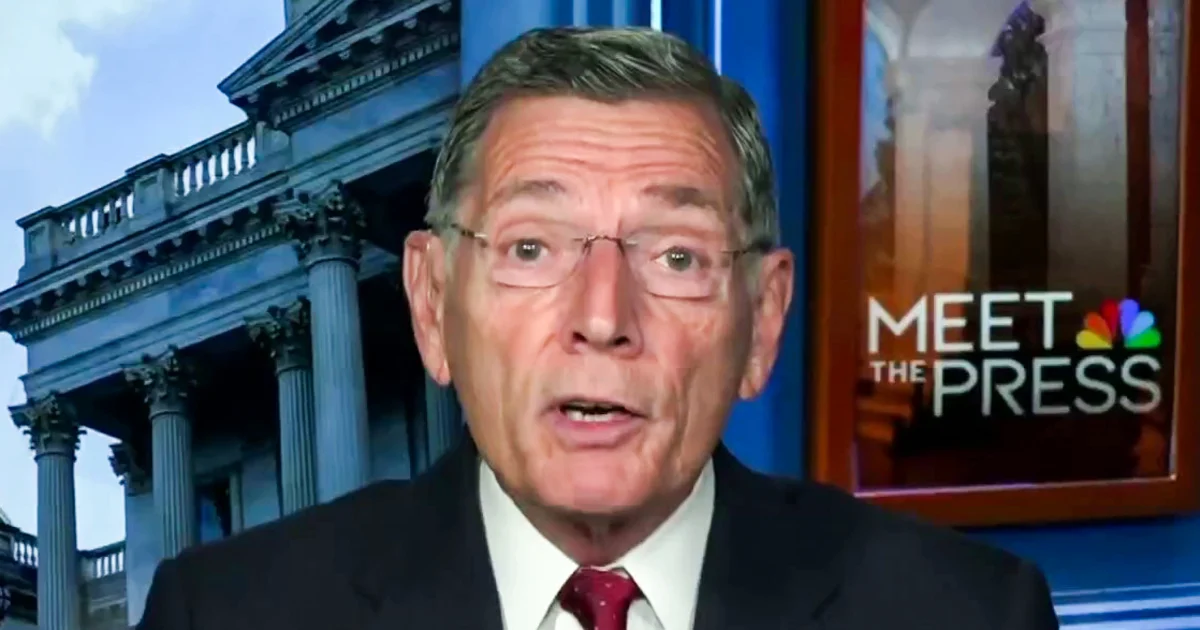
Senator John Barrasso of Wyoming defended President Donald Trump’s recent decision to ban reporters from Politico, MS NOW, and CNN from the White House, arguing that the move does not violate the Constitution. Speaking on NBC News’ Meet the Press, Barrasso pushed back against claims that revoking credentials for these outlets was an illegal act. Instead, he suggested that members of the press have a reciprocal obligation to report fairly, implying that the president’s actions were a response to biased coverage.
During the interview, Barrasso drew a parallel between the government’s restrictions on these journalists and the private sector’s treatment of the former president. He noted that Trump had previously been banned from platforms like Twitter and Facebook without widespread defense, suggesting that accountability should work both ways. When pressed specifically on whether the ban infringed upon First Amendment protections, Barrasso avoided a direct legal answer, reiterating his belief that fairness in reporting is a necessary standard for the media.
The controversy began Friday after President Trump took to Truth Social to announce the bans, citing a pattern of fake news and fiction regarding his administration. In subsequent remarks from the Oval Office, he explained that while no single story triggered the decision, it was based on cumulative reports over several years. The fallout was immediate on Saturday as reporters found themselves turned away at security kiosks and their access officially stripped.
Legal experts and media organizations have reacted with sharp condemnation. Gabe Rottman of the Reporters Committee for Freedom of the Press called the ban illegal and described it as an attempt to intimidate journalists across the board. Similarly, representatives from CNN and Politico vowed to fight the restriction in court, asserting that their constitutional right to hold government officials accountable cannot be contingent on whether a president likes their tone or findings.
While Democratic lawmakers like Senator Cory Booker argued that the move shows a blatant disregard for civil liberties, Barrasso remained unconcerned about any political backlash ahead of upcoming midterms. With fewer than 50 days until voters head to the polls, Barrasso maintained that such disputes would not sway an electorate focused more on their personal lives and economic futures than on administrative battles with news networks.